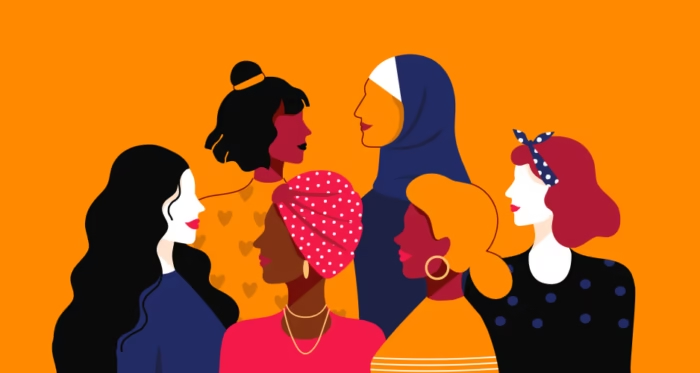
Mauritius stands at a turning point. In this International Year of Women, we recognize that investing in women is not only a moral imperative but also an economic strategy. Empowering women could deliver a significant boost to our GDP and to our Gross Happiness Index. The benefits ripple outward: increased productivity, rising national income, and—most importantly—improved health and education for future generations.
Economic Potential
According to UN Women, closing gender gaps in labor force participation could raise global GDP by up to 26% by 2025. For Mauritius, where women represent 50.8% of the population but remain underrepresented in leadership and formal employment, the potential gains are substantial. Women spend nearly four times more time on unpaid care work than men, limiting their economic participation. Addressing this imbalance would unlock new productivity and innovation.
Social Development Benefits
Empowered women invest more in children’s health and schooling, creating intergenerational benefits. Greater equality improves well-being indicators, reducing stress from poverty and discrimination. Achieving SDG 5 (Gender Equality) is essential for progress on all other goals, especially poverty reduction, inclusive growth, and sustainable development.
Policy and Corporate Action
- Household Surveys: Current surveys must be revisited to capture women’s contributions in informal work, caregiving, and entrepreneurship.
- Legal Protection: Women facing violence and discrimination require stronger enforcement of existing laws and accessible justice mechanisms.
- Financial Inclusion: Expanding access to credit and training for women entrepreneurs boosts productivity and resilience.
- Corporate Responsibility: Companies should adopt UN Women’s Empowerment Principles and practice gender-responsive procurement, ensuring supply chains actively promote equality.
Challenges
Cultural norms and traditional divisions of labor persist, limiting women’s opportunities. Political representation remains low, with women holding only 20% of parliamentary seats. Data gaps hinder effective policy design, underscoring the need for gender-disaggregated statistics.
Empowering women is not charity—it is a national investment strategy. By fixing the gender gap, Mauritius can accelerate GDP growth, strengthen social justice, and ensure that no one is left behind.
As we mark the International Year of Women 2026, we embrace the theme:
“Leaving No One Behind – Opportunities and Challenges for Promoting Women’s Economic Empowerment”.
By Dharamraj Deenoo
(former APS and Desk officer for women Affairs)