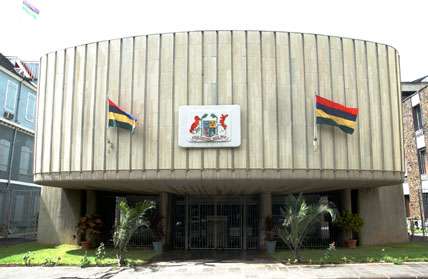
Mauritius has taken a significant step forward in tackling domestic violence with the adoption of the Domestic Abuse Bill on Friday, July 10th. Passed unanimously and without amendments during its third reading in the National Assembly, the legislation aims to enhance victim protection, hold perpetrators accountable, and foster a societal shift towards greater awareness and respect.
Presented by Deputy Prime Minister and Minister of Gender Equality and Family Well-being, Arianne Navarre-Marie, the bill represents a comprehensive effort to modernize the legal framework surrounding domestic abuse. While acknowledging that legislation alone cannot eradicate violence, she emphasized that lasting change requires a deep transformation of societal attitudes and behaviors.
Strengthening Victim Protection
The new legislation enhances protections for victims by introducing mandatory reporting of certain domestic violence cases by professionals, while safeguarding the confidentiality of sensitive information. Notably, if a victim withdraws a request for a Protection Order, the case will no longer be automatically dismissed; instead, the police will refer the matter to the Director of Public Prosecutions, who can request further investigations before any decision is made.
Innovative Measures for Greater Safety
One of the key innovations is the introduction of Exclusion Orders, allowing courts to order alleged perpetrators to leave the family home. The law also permits periodic reviews of protective orders every three months. Penalties for violations are being reinforced; a third conviction for non-compliance can result in up to ten years of imprisonment.
To support enforcement, the government plans to recruit new personnel, conduct specialized training for police, NGOs and media professionals, and establish coordinated mechanisms among various stakeholders. Minister Navarre-Marie underscored that combating domestic violence is a collective responsibility, involving schools, civil society, media, and government institutions alike.
A Personal Call for Change
During her speech, the minister shared a poignant story of a mother and her child, emphasizing that no child should grow up witnessing or experiencing violence within their home. She stressed that domestic violence is fundamentally a societal issue that cannot be solved solely through judicial means but requires a profound cultural change—one that begins with education, respect and gender equality.
Broader Legal Reforms and Social Responsibility
Prime Minister Navin Ramgoolam echoed these sentiments, asserting that the boundaries of privacy should be reevaluated where violence and abuse are concerned. He highlighted that the law now broadens the definition of domestic violence to include physical, sexual, psychological, emotional, and economic abuse, as well as coercive control and digital harassment, such as online stalking, electronic surveillance, and non-consensual sharing of intimate images.
The government is also exploring the potential use of electronic bracelets for high-risk cases and considering strict measures like chemical castration for serial rapists, particularly those targeting children—though such measures would require careful human rights considerations.
Enforcement and Sanctions
To ensure compliance, the bill stipulates escalating penalties for breaches of Domestic Abuse Orders. The first violation may incur a fine of up to Rs 50,000 and up to 12 months of imprisonment. A second offense could lead to a fine of Rs 100,000 and a maximum of three years behind bars, while repeat violations or severe cases may result in up to ten years of incarceration.
Ultimately, the success of this legislation hinges on diligent enforcement and a societal commitment to changing mentalities. As Prime Minister Ramgoolam concluded, the fight against domestic violence is a collective effort involving families, schools, NGOs, religious institutions, and every sector of society.